
'I returned to Majorca after 3 years abroad - I was shocked by what I saw'
Carol Vásquez, who grew up in Majorca and has lived in Punta Cana in the Dominican Republic for three and a half years, says summer tourist crowds make her feel overwhelmed when she returns
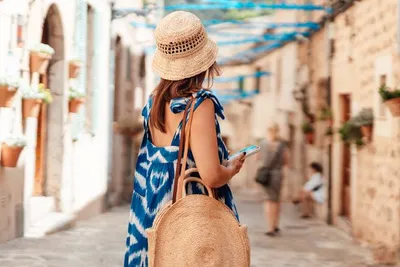
A Spanish woman returning to Majorca after more than three years living overseas expressed her dismay at the changes she witnessed upon her homecoming. Carol Vásquez had been residing in Punta Cana, a Caribbean resort town in the Dominican Republic, for over three years before deciding to travel back to Spain and revisit the Balearic island where she was raised. However, when she returned to see relatives this summer, Carol was disappointed by what greeted her during the height of the tourist season.
Majorca remains a beloved holiday spot, particularly amongst British visitors, who are drawn to its pristine sandy shores, turquoise waters, warm climate, exceptional cuisine and various leisure pursuits. Nevertheless, this yearly surge of holidaymakers from Britain and across Europe has sparked frustration amongst residents who, alongside local authorities, have raised concerns about overtourism in the area. The phenomenon of overtourism has been documented across multiple sought-after European locations, including Spanish and Greek islands as well as Italy.
It was the overwhelming volume of visitors and their consequences that disturbed Carol, prompting her to voice her concerns on TikTok . She admitted feeling "a bit sad" about what she observed and that it had altered her perception of her birthplace, reports The Mirror. The content creator revealed: "I am feeling a bit sad because I am from Majorca. I have actually lived in Punta Cana for three and a half years, and every time I come back to Majorca, especially now in the summer, I don't enjoy it.
"I get really overwhelmed because there are many tourists. There are so many tourists that the local people cannot enjoy the island." Ms Vásquez made clear that her worries about Majorca extended beyond the beaches to other locations where permanent residents typically gather and are affected by the influx of thousands of holidaymakers. She added: "I'm not talking about the beaches anymore; I'm talking about the town centre, the places where we've always gone to eat."
Ms Vásquez further stated that there was "no way to enjoy the island" and that the only method of doing so required "dodging people". Carol's remarks followed residents voicing their frustration over their quality of life on the island, with specialists cautioning that they felt "dispossessed of their territory" following another hectic summer period. Pere Salva, professor emeritus of human geography at the University of the Balearic Islands, said there was a sentiment amongst islanders that they had been displaced from their home.
He explained: "We have the perception that our island no longer belongs to us. The isolation imposed on residents is internal, as Mallorcans are being displaced and dispossessed of their territory. We are heading towards a trend in which residents are becoming isolated within the island itself." Nevertheless, Professor Salvà noted that Majorcan residents held no ill will towards tourism itself, recognising its economic advantages to the area, but felt overwhelmed by its consequences.
He said: "Generally speaking, there isn't tourismphobia in Majorca. What exists is a feeling and perception of saturation of tourism and its related activities; not with tourists. This is the result of our physical and daily experience, linked to the feeling that we have exceeded our limit of resistance."