
LPG consumption falls 9% in September, remains below pre-war levels
Even as the West Asia conflict enters its eighth month, India’s LPG consumption continues to remain below pre-war levels, falling 9.15% year-on-year in September 2026, according to data released by the Petroleum Planning and Analysis Cell (PPAC). LPG consumption stood at 2,636 thousand metric tonnes (TMT) in September, down from 2,902 TMT in the same month last year. In September 2024, consumption stood at 2,725 TMT. The decline was sharper on a cumulative basis.
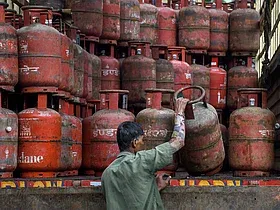
Even as the West Asia conflict enters its eighth month, India’s LPG consumption continues to remain below pre-war levels, falling 9.15% year-on-year in September 2026, according to data released by the Petroleum Planning and Analysis Cell (PPAC).
LPG consumption stood at 2,636 thousand metric tonnes (TMT) in September, down from 2,902 TMT in the same month last year. In September 2024, consumption stood at 2,725 TMT.
The decline was sharper on a cumulative basis. LPG consumption during April-September fell 14.93% to 13,797 TMT from 16,218 TMT in the corresponding period of 2025-26. This means consumption was around 2.42 million tonnes lower during the first six months of the current financial year than in the year-ago period.
The fall in LPG consumption comes amid continued disruption to supplies through the Strait of Hormuz due to the West Asia conflict involving Iran, Israel and the US. The Strait of Hormuz is a key route for global energy supplies, and the disruption has forced India to diversify its sources of LPG, crude oil and LNG.
One factor behind the decline in LPG consumption could be increased adoption of PNG by households and industries during the West Asia crisis. To offset the fall in LPG demand, the government issued various directives to accelerate the rollout of PNG connections across the country.
According to petroleum ministry data, during the six-month drive from January to June 2026, around 12.10 lakh new PNG connections and 15.31 lakh domestic PNG (DPNG) registrations were added. The pace of daily DPNG additions increased from 4,702 to around 7,000, while daily additions of billed consumers rose from around 2,781 to around 7,500 during the same period.
To mitigate disruptions to LPG imports, India has also increased domestic LPG production through public sector, joint venture and private refineries, as well as upstream oil companies. Total production has risen to 63.81 thousand metric tonnes a day, or 63,810 tonnes a day.
The decline in LPG consumption came even as demand for transport fuels continued to rise. Petrol consumption increased 7.95% year-on-year to 3,644 TMT in September from 3,399 TMT a year earlier, while diesel consumption rose 6.55% to 7,116 TMT from 6,786 TMT.
According to data from maritime intelligence firm Kpler, the UAE was the top supplier of LPG to India in September 2026, supplying 529,211 tonnes, or nearly 40% of total imports. The US was the second-largest supplier with 337,401 tonnes, followed by Kuwait at 132,544 tonnes. Qatar and Iran supplied 115,340 tonnes and 66,231 tonnes, respectively.
The US had been India’s largest LPG supplier in each of the previous six months.