
IEA members support faster release of reserve oil stocks
Members of the International Energy Agency (IEA) expressed support on Wednesday for accelerating the release of roughly 100 million barrels of reserve oil stocks previously agreed to in March. About 325 million barrels of oil have been released under the March agreement to ease oil markets after the onset of the Iran war led to a surge in energy prices. The IEA also said members had agreed to prioritise the release of diesel stocks. Member countries still hold roughly 1.
Members of the International Energy Agency (IEA) expressed support on Wednesday for accelerating the release of roughly 100 million barrels of reserve oil stocks previously agreed to in March.
About 325 million barrels of oil have been released under the March agreement to ease oil markets after the onset of the Iran war led to a surge in energy prices.
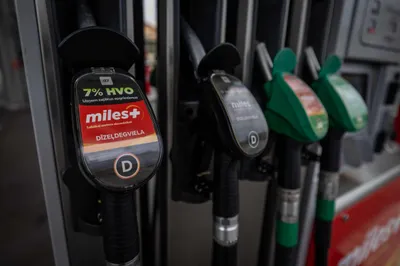
The IEA also said members had agreed to prioritise the release of diesel stocks. Member countries still hold roughly 1.1 billion barrels of emergency oil stocks, including more than 200 million barrels of diesel.
“The IEA stands ready to release more of these stocks to the market if and when required,” executive director Fatih Birol said in a statement. “Participants in the meeting expressed strong appreciation for the IEA’s response to the energy impacts of the Strait of Hormuz crisis."
Mr Birol said members also welcomed last week's statement by G7 leaders on global energy and security, and agreed to assess and review the situation at the IEA governing board meeting next week.
G7 member countries agreed to release 100 million barrels of diesel and other reserves through the IEA, following pressure from US President Donald Trump's administration. Conflicts in Ukraine and the Middle East have triggered a global surge in fuel prices, adding to pressure on Mr Trump ahead of November's midterm elections.
On Monday, he signed an executive order waiving restrictions on cheaper red-dyed diesel, which could ease price pressures for lorry drivers, who are facing higher costs at the pump that could be passed down to consumers. Diesel prices have risen to more than $6 per gallon in recent weeks, compared to the average price of $3.60 per gallon this time last year. The White House said the federal diesel tax is 24.4 cents per gallon, or about $60 on a 250-gallon fuel.
Europe is also facing higher diesel prices, which hit a record of €2.24 per litre, compared to €1.59 before the Iran war began on February 28. The US is currently in the process of a 172-million-barrel drawdown from its strategic petroleum reserve. Once completed, the SPR is projected to fall to its lowest levels since 1982.