
Cop31 in Turkey must bring water to the centre of climate action
For three decades, the international response to climate change has focused on reducing greenhouse gas emissions. The energy transition has become central to this effort, shaping national policies, mobilising investment and driving innovation. Now, as the world confronts the consequences of climate change already under way, we must give water the same prominence in our approach to adaptation. Water is how most people first experience climate change.
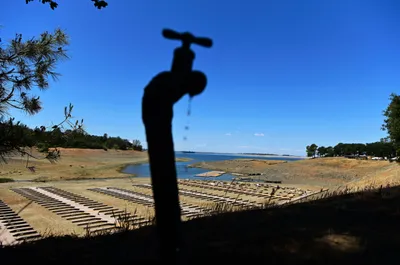
For three decades, the international response to climate change has focused on reducing greenhouse gas emissions. The energy transition has become central to this effort, shaping national policies, mobilising investment and driving innovation. Now, as the world confronts the consequences of climate change already under way, we must give water the same prominence in our approach to adaptation.
Water is how most people first experience climate change. Whether through prolonged drought, devastating floods or increasingly unpredictable rainfall, its effects reach directly into people’s lives, threatening food production, livelihoods, public health and economic security.
So, if energy has been the defining concern of climate mitigation , water must become the defining concern of adaptation, and to be effective, recognition must be matched by resources. Water already features in the national climate plans of most countries and is the sector most frequently identified in their adaptation measures. Yet inclusion in a national plan is not the same as meaningful action. Investment remains insufficient, fragmented and poorly co-ordinated.
The scale of the shortfall is considerable. The World Bank estimates that closing the annual financing gap for universal access to safe drinking water and sanitation requires between $131 billion and $141 billion. Behind this figure are communities without reliable drinking water, children exposed to preventable disease and populations whose livelihoods and security are threatened by drought and flooding.
Leaders must close the gap between their commitments and the resources allocated to deliver them. Water infrastructure, sanitation and resilient water management cannot remain underfunded priorities in national adaptation strategies. They require sustained investment , clear accountability and political leadership capable of translating plans into tangible improvements in people’s lives.
There are encouraging examples of the leadership required. The Madrid Compact, endorsed by 30 governments, offers a framework for stronger political commitment, integrated policies, sustainable financing and accountability. The Heads of State Initiative, supported by Sanitation and Water for All, has demonstrated how national leadership can translate commitments on water and sanitation into action. These approaches deserve wider application.
The same determination is needed internationally. Water connects the three Rio Conventions, addressing climate change, biodiversity loss and land degradation. Yet their respective work does not always reflect the interconnected nature of these challenges, or the central role water plays across all three.
We cannot afford to treat adaptation as secondary to mitigation, or water as secondary to adaptation
Cop31 offers an opportunity to change this. I call on world leaders to give water a stronger and more systematic place across the Rio Conventions, ensuring that their policies, programmes and investments are better aligned. This does not require new institutions or additional bureaucracy. It requires greater co-ordination through the structures we already have, with water recognised as a shared priority rather than an issue confined to individual policy discussions.
This commitment should then be carried forward to the UN Water Conference in Abu Dhabi in December, co-hosted by the UAE and Senegal. The conference provides an important opportunity to turn the political momentum generated at Cop31 into a more coherent international approach, with water firmly embedded in the global response to interconnected environmental challenges.
We cannot afford to treat adaptation as secondary to mitigation, or water as secondary to adaptation. Leaders must recognise water as fundamental to the security, prosperity and well-being of their people, to match their commitments with the necessary investment, and to work together across the Rio Conventions.
The decisions made at Cop31 and carried forward to Abu Dhabi can help establish the political foundations for a more water-secure future. What is needed now is the determination to act.