
Archdiocese sues US government over denied Catholic sacraments for ICE detainees
According to the website of Immigration and Customs Enforcement, religious figures may visit detainees at any time after giving notice to the sheriff’s office. The lawsuit contends that ICE is failing to enforce its own guidelines
Want to bookmark your favourite articles and stories to read or reference later? Start your Independent Membership today.
The Catholic Archdiocese of St. Louis filed a lawsuit against the U.S. federal government on Monday, alleging that individuals at a Missouri immigration facility are being denied private visits with priests and access to sacraments such as communion and confession.
The complaint, lodged in the US District Court for the Eastern District of Missouri against top Department of Homeland Security officials and the local sheriff, claims clergy can only visit the Saint Genevieve County Jail during a four-hour window on Mondays, communicating solely via phone through glass partitions.
According to the website of Immigration and Customs Enforcement, religious figures may visit detainees at any time after giving notice to the sheriff’s office. The lawsuit contends that ICE is failing to enforce its own guidelines.
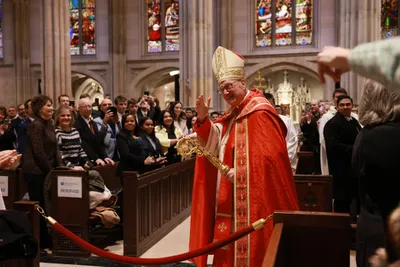
"As a bishop I am responsible for every soul in my archdiocese, and that includes those who are in the prisons," St. Louis Archbishop Mitchell Rozanski told Reuters. The diocese noted that most of the roughly 150 immigration detainees at the facility are Hispanic Catholics.
Rozanski stated that the absence of privacy prevents priests from fulfilling their pastoral duties.
"They cannot hear confessions, they cannot celebrate Mass, they cannot give the anointing of the sick to any of the detainees," he said, effectively "robbing the detainees of their rights to have access to these sacraments."
ICE, DHS, the Saint Genevieve County Jail, and the sheriff's office did not immediately respond to requests for comment.
The detainees are held amid a wide-ranging immigration crackdown and deportation effort by the Trump administration, which has drawn condemnation from human rights groups over alleged abuses that ICE denies.
Church law forbids priests from hearing confession electronically.
Using non-private jail telephone lines would break the seal of confession, an offense that carries excommunication.
When clergy requested direct contact to deliver communion, jail officials suggested placing consecrated hosts in containers for guards to hand over, a proposal Rozanski described as "sacrilegious."
Catholics believe the Eucharist contains the real presence of God, meaning it should only be handled by ordained priests or ministers.
The archdiocese is requesting court intervention to grant clergy the same visitation access provided to attorneys and consular officials.
Join thought-provoking conversations, follow other Independent readers and see their replies