
Ukraine Reports First Combat Use of Domestically Produced FP-7 Ballistic Missile
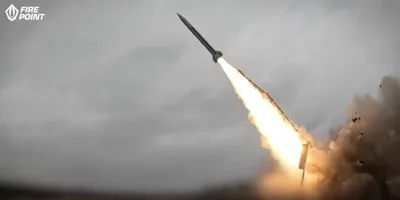
Ukraine had used its domestically produced FP-7 tactical ballistic missile in combat for the first time on Thursday, Oct. 1, President Volodymyr Zelensky said, marking a milestone in Kyiv’s push to build its own strike weapons as Russia intensifies its campaign on civilian infrastructure nationwide.
In brief: Ukraine had used its domestically produced FP-7 tactical ballistic missile in combat for the first time on Thursday, Oct. 1, President Volodymyr Zelensky said, marking a milestone in Kyiv’s push to build its own strike weapons as Russia intensifies its campaign on civilian infrastructure nationwide.
Ukraine has used its domestically produced FP-7 tactical ballistic missile in combat for the first time, President Volodymyr Zelensky said, marking a milestone in Kyiv’s push to build its own strike weapons as Russia’s campaign against civilian infrastructure intensifies across Ukraine.
Zelensky announced the missile’s first combat use in a statement on Thursday, Oct. 1, accompanied by video footage showing the launch.
Follow our coverage of the war on the @Kyivpost_official .
However, neither the post nor the footage revealed the exact target, location or the outcome of the strike.
The FP-7 , made by a Ukrainian defense company Fire Point, has a range of up to 200 kilometers (roughly 125 miles) and can carry a warhead of up to 150 kilograms (approximately 330 lbs).
The company’s founder and chief designer, Denys Shtilerman, has compared the missile to the US-made Army Tactical Missile System (ATACMS) and said it costs roughly half as much. All components are produced in the company, from engines to flight control systems.
The development of the FP-7 and the longer-range FP-9 was officially announced in September 2025, while the FP-7 was first test-launched in February 2026.
In August, Zelensky said Ukraine’s first domestically produced ballistic missile could be used in combat during this fall. When asked whether Fire Point’s timeline was credible, he said that Ukraine has “no one closer to ballistics than them.”
At the time, Fire Point CEO Iryna Terekh said the missile had completed about 15 test launches and was undergoing final certification from Ukraine’s Ministry of Defense.
On September 11, she said the FP-7 could begin striking Russia within weeks.
The company is one of the Ukrainian military’s largest contractors. It is also the center of a Ukraine-led European initiative FREYJA , aimed at building affordable anti-ballistic missile defense systems.
The program was launched in July, together with nine European partners.
Currently, the company is developing the FP-7.X, a faster variant of the FP-7, as the system’s interceptor and has secured agreements with 13 European defense companies to supply radar, guidance and other technologies.
The cost of each interceptor is aimed to remain below €1 million (roughly $1.2 million) – a fraction of the price of a Patriot interceptor.
“Right now we are in the most intense and also the most complicated stage of finally assembling everything together with surveillance radars, tracking radars and the seekers,” Terekh said on Aug. 6.
By mid-2027, the company aims to achieve the first successful ballistic missile interception.
The announcement came as Ukraine continues to face a shortage of US-made Patriot systems, the only weapons in the country’s arsenal that can reliably intercept Russian ballistic missiles.
On Sept. 25, Zelensky revealed that the US President Donald Trump had made a “final decision” to grant Ukraine licenses to produce Patriot missiles. The decision was first floated during the NATO summit in Ankara, Turkey on July 8, before Trump softened his commitment citing security reasons.
On Tuesday, Sept. 29, US Senator Chris Coons said the Pentagon had committed nearly all of the $400 million Congress approved for Ukraine. However, the package reportedly does not include Patriot interceptors.
Kyiv Post is Ukraine’s first and oldest English news organization, reporting since 1995. Its international reach – 97% of readers are outside of Ukraine – make it truly Ukraine’s global voice.