
Saudi Aramco chief warns Hormuz oil supply squeeze could take two years to ease
Dubai: The global squeeze on crude oil and refined fuel supplies is set to worsen, while rebuilding stockpiles depleted during the Strait of Hormuz crisis could take up to two years, Saudi Aramco Chief Executive Amin Nasser said on Monday. Speaking to Reuters at the Energy Intelligence conference in London, Nasser said oil markets would remain under pressure until the strategic waterway fully reopens and market confidence returns.
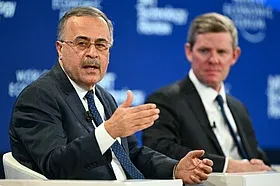
Dubai: The global squeeze on crude oil and refined fuel supplies is set to worsen, while rebuilding stockpiles depleted during the Strait of Hormuz crisis could take up to two years, Saudi Aramco Chief Executive Amin Nasser said on Monday.
Speaking to Reuters at the Energy Intelligence conference in London, Nasser said oil markets would remain under pressure until the strategic waterway fully reopens and market confidence returns.
“Until Hormuz fully re-opens and confidence returns, the crude reality is that pressure at both ends of the barrel will intensify. Even then, replenishing inventories while meeting demand could take up to two years,” Nasser said.
Get updated faster and for FREE: Download the Gulf News app now - simply click here.
His warning points to a potentially prolonged impact from the disruption, even if oil flows through the Strait of Hormuz begin to normalise.
Almost 3 billion barrels of oil supply have been lost since the start of the conflict, Nasser said, while about 1 billion barrels have been released from stocks to help offset the shortfall.
Nasser said the remaining roughly 6 billion barrels of oil in storage should not be considered practically available to the market.
“The system is already straining,” he said.
Hormuz disruption
While an earlier report by Kpler suggested that oil exports have come back to pre-war levels , this as Nasser says, comes from commercial inventories held by refiners, traders and other market participants, rather than reserves that can be relied upon indefinitely.
Producers and refiners would have to rebuild inventories while continuing to meet global oil demand. That could keep supply conditions tight well after the immediate shipping disruption has eased.
Two-year recovery
The two-year timeframe highlights the difference between restoring physical oil flows and restoring the market's broader balance.
A reopening of Hormuz could remove a major logistical bottleneck, but the barrels already taken from commercial and emergency inventories would still need to be replaced. That would require additional supply while demand continues
The warning points to the possibility of continued volatility in crude and refined fuel markets as inventories fall and the global supply system attempts to rebuild its buffers.
Saudi Arabia loads nearly 12 million barrels in one day as Hormuz tanker traffic adapts
Defying war fears, Gulf oil producers keep massive crude flows moving through Strait of Hormuz
Hormuz tanker traffic shows 'signs of recovery' — but Gulf oil flows remain far below normal