
Cancer drugs to get cheaper by up to 70% as govt fixes trade margin at 30%
The cap will cover branded and generic, domestic and imported, patented and non-patented anti-cancer drugs that are not part of the scheduled price-control list.
The cap will cover branded and generic, domestic and imported, patented and non-patented anti-cancer drugs that are not part of the scheduled price-control list.
Updated : Oct 08, 2026, 06:46 PM IST
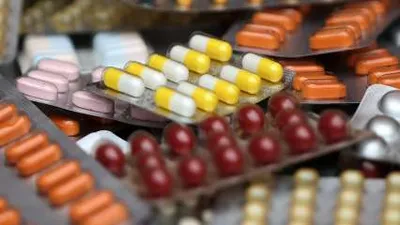
The central government has imposed a 30% cap on trade margins for all non-scheduled anti-cancer drugs, a decision that could slash MRPs of several cancer medicines by up to 70% and lead to annual savings of about Rs 2,500 crore for patients.
The government said the step is aimed at curbing steep mark-ups in the supply chain and making life-saving cancer treatment more affordable, without affecting medicine availability.
The move follows a sharp intervention by the Supreme Court last month on cancer medicine pricing, especially the large gap between the price at which retailers procure medicines and the MRP charged to patients.
For price regulation, India classifies drugs into two groups - drugs in the National List of Essential Medicines (NLEM) are scheduled drugs and their ceiling price is set annually by the government.
Other drugs are non-scheduled and face no price ceiling when launched, though their annual price hike cannot exceed 10%. About 82% of medicines consumed in the country are estimated to be non-scheduled, including many cancer drugs, which lead to significant financial toxicity for thousands of families each year.
The government in recent years has permitted waivers on import duty and GST for some high-value patented drugs, but affordability of majority of cancer medicines continues to be a major barrier for most patients.
India sees over 15 lakh new cancer cases annually, with numbers rising at an alarming rate.
On September 29, a bench comprising Justices Vikram Nath and Sandeep Mehta raised questions over a cancer drug that was reportedly given to retailers for about Rs 2,700 while carrying an MRP of Rs 27,000 - nearly ten times higher.
The bench questioned why medicines could not have a uniform margin and asked the government to examine the matter.
The bench also raised concerns about corporate hospitals making patients buy drugs from their own pharmacies, particularly when the treatment is reimbursed through government schemes.
The court had floated the idea of a 16% margin model, similar to the retailer margin in the price-control system for scheduled formulations, but had not directed a nationwide 16% cap. The case is scheduled to come up again on October 12.
The government’s latest decision instead extends the current Trade Margin Rationalisation (TMR) approach to the broader universe of non-scheduled cancer medicines, with the margin set at 30%.
In 2019, the NPPA capped trade margins at 30% for 42 non-scheduled anti-cancer drugs. The government says the intervention reduced MRPs of 526 brands by around 50% on average, resulting in estimated savings of about Rs 984 crore per year for patients.
Some patient rights groups have underlined that the measure alone is not enough, since it does not factor in manufacturing costs and still lets manufacturers fix high base prices.
But through the latest announcement, the government said the expanded move could lead to MRP reductions of up to 70%, depending on current trade margins, with overall annual savings of about Rs 2,500 crore.