Plea in Supreme Court seeks suspension of CEC Gyanesh Kumar over ‘unilateral’ decisions
New Delhi: A petition has been filed in the Supreme Court seeking the suspension of Chief Election Commissioner Gyanesh Kumar and a declaration that decisions vested in the Election Commission of India cannot be taken unilaterally by the head of constitutional body.
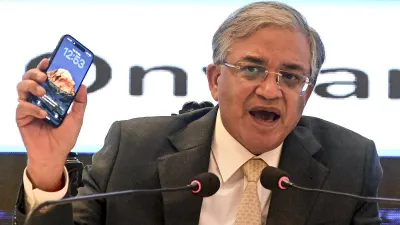
New Delhi: A petition has been filed in the Supreme Court seeking the suspension of Chief Election Commissioner Gyanesh Kumar and a declaration that decisions vested in the Election Commission of India cannot be taken unilaterally by the head of constitutional body.
Filed by Rakesh Kumar Singh under Article 32 of the Constitution, the plea comes amid media reports that about 14 decisions were taken in the name of the EC between October 2025 and August 2026 despite recorded objections by the other two Election Commissioners, Sukhbir Singh Sandhu and Vivek Joshi.
CEC row heats up: BJP leaders defend Gyanesh Kumar, hit back at Opposition
The petitioner sought a writ of quo warranto calling upon the CEC “to show under what authority he has acted, and continues to act, as though entitled individually to exercise the collective decision-making power vested by Article 324 in the Election Commission as a body.”It contended that Article 324(1) vests the superintendence, direction and control of elections in “a Commission” and not in an individual Chief Election Commissioner.
While Article 324(3) designates the CEC as Chairman, this constitutional position cannot be equated with the institution itself, the petition argued.The plea relied on Section 18 of the Chief Election Commissioner and Other Election Commissioners (Appointment, Conditions of Service and Term of Office) Act, 2023, which provides that the Commission may regulate its procedure by unanimous decision, that business shall as far as possible be transacted unanimously, and that differences are to be decided by majority.
Among the specific instances cited is the alleged alteration of Form-6 under the Registration of Electors Rules, 1960, in July 2026 to require applicants to state whether they or their parents or grandparents “exist” in the electoral roll of the last Special Intensive Revision (SIR). The petition referred to notings by Commissioners Joshi (May 16, 2026) and Sandhu (May 19 and August 13, 2026) objecting to the change as unauthorised and illegal in the absence of an amendment to the Rules.
It also flagged concerns raised by the two Commissioners over the “gradual centralisation” of the electoral-roll database, restricted access to the ERONet portal for State-level officials, and the filing of approximately 16.10 lakh appeals in West Bengal in the name of the ECI without clear authorisation.
The petitioner sought production of the Commission’s original institutional records, including minutes, file notings, approval sheets, server logs and audit trails. It has also prayed for the constitution of an independent Judicial Inquiry Commission or Special Investigation Team headed by a retired Supreme Court judge.
In interim relief, the plea sought a direction that Gyanesh Kumar should not exercise the functions of CEC pending adjudication, and that the Commission’s business be transacted by the unanimous decision of the other two Election Commissioners during this period.