From Kerala-cadre bureaucrat to CEC: A look into the career of Gyanesh Kumar
New Delhi: Since his entry into Delhi’s Nirvachan Sadan, Gyanesh Kumar’s tenure in the Election Commission has been embroiled in multiple controversies with the Opposition accusing the chief of India’s election ombudsman of bias and partisan conduct.
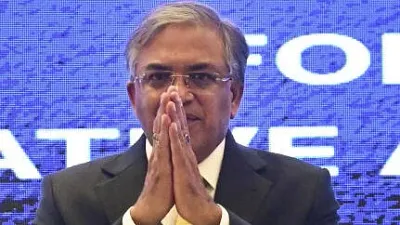
New Delhi: Since his entry into Delhi’s Nirvachan Sadan, Gyanesh Kumar’s tenure in the Election Commission has been embroiled in multiple controversies with the Opposition accusing the chief of India’s election ombudsman of bias and partisan conduct.
With his two fellow commissioners now raising a the red flag against certain aspects of Special Intensive Revision (SIR) of electoral rolls, and the Opposition planning a third notice for his removal in Parliament, Kumar is up against an unprecedented challenge to the position he holds as the neutral umpire constitutionally entrusted to conduct free and fair polls.
Thirty months into his tenure in the Election Commission with the last 19 months spent in the hot seat of CEC, Kumar’s appointment on 15 March, 2024 came against the backdrop of the unexplained resignation of Election Commissioner Arun Goel, who was accommodated as Ambassador to Croatia six months later, in the midst of 2024 Lok Sabha election preparations.
The appointment of Kumar, a civil engineer from IIT-Kharagpur, was also the first application of a contentious law for choosing a CEC by a government-dominated selection committee. This law also provided immunity to the CEC and ECs from civil and criminal cases for the decisions taken during the tenure even after retirement.
DH Toon | Gyanesh Kumar out?
At 62, Kumar, who has always been in the eye of a storm with his run-ins with the Opposition over the contentious Special Intensive Revision (SIR) of electoral rolls and other issues since his appointment as the poll body chief, will be one of the longest serving CECs if he completes his term that extends till 26 January, 2029. By then, he would have handled 20 state elections.
Some of the decisions taken by the EC under Kumar, a 1988-batch IAS officer of Kerala cadre who retired two months before his appointment as an EC, attracted strong reactions from the Opposition, including the decision to delete CCTV footage of polling stations after 45 days.
He became the focal point of Opposition attack following the announcement of SIR with top Congress leader Rahul Gandhi alleging “vote chori” facilitated by the Election Commission. In an unprecedented press conference, Kumar hit back at Rahul seeking a signed affidavit on his claims or apologising to the nation within seven days. Rahul did not oblige and Kumar did not pursue it.
Meetings with Opposition leaders were also always heated with Kumar insisting that only authorised representatives can seek appointments. While EC offices were open to Opposition leaders during election season, Congress leaders found the EC gates closed when they wanted to complain about rejecting Meenakshi Natarajan’s nomination for Rajya Sabha elections.
The frequent run-ins prompted the Opposition to file removal notices – popularly called impeachment notices – against Kumar simultaneously in Lok Sabha and Rajya Sabha this March, which were eventually rejected. The Opposition filed a second notice within weeks, which is pending, but now they are mulling a fresh notice incorporating fresh allegations.
'What makes Gyanesh Kumar so special'? Saket Gokale flays Election Commission for refusing to disclose details on expenditure
Starting his career as a Sub Collector in Kerala Pathanamthitta in 1988 and retired from the union government as Co-operation Secretary in January 2024, he is considered as Home Minister Amit Shah's pick. He has been in the union government since 2016.
He had played a key role in setting up the Shri Ram Janmabhoomi Theertha Kshetra Trust when he was in the Ministry of Home Affairs as Additional Secretary.
He also headed the Jammu and Kashmir Division in the MHA in 2019 when Article 370 was revoked and handled the post-abrogation security scenario in the valley. He also played a key role in the bifurcation of Jammu and Kashmir into two union territories.
Besides handling several assignments in the MHA, he was also Parliamentary Affairs Secretary before moving into the Cooperation Ministry under Shah.
During the UPA era, he was Joint Secretary (Defence Production) in the Ministry of Defence from 2007 to 2012.
In Kerala, he has handled diverse departments such as Finance Resources, Fast Track Projects, Public Works Department, Modernising Government Programme and Food, Civil Supplies and Consumer Affairs. He was Managing Director of Kerala State Cooperative Bank and Trivandrum Airport Development Society and Resident Commissioner of Kerala House in New Delhi.