
Ampol buys huge Australian EV charging network in $225m deal
Australia’s top petrol and diesel supplier has raised its bet on the shift to EVs with a deal to triple its fast-charging network.
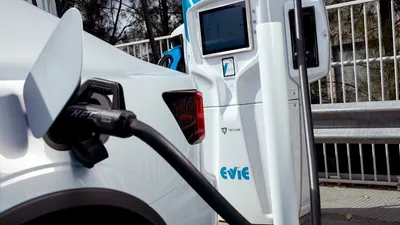
Fuel giant Ampol has struck a deal to acquire one of Australia’s most extensive electric-vehicle charging networks, a move that will more than triple the number of charging bays it owns just as local sales of battery-powered cars surge to record highs.
Ampol, which runs hundreds of petrol stations across the nation and the Lytton oil refinery in Brisbane, on Thursday said it had agreed to acquire 100 per cent of Evie Networks for $225 million.
The acquisition will add more than 1000 charging bays to Ampol’s existing AmpCharge network, creating a combined national platform of 1425 charging bays spread across more than 400 sites.
The deal comes as Australians have begun switching from petrol-powered to electric vehicles this year at an unprecedented rate, spurred by an influx of more-affordable EV models and sharp spikes in petrol and diesel prices caused by the war in the Middle East choking off global oil supplies. EVs, which accounted for less than 10 per cent of Australia’s new car market just 12 months ago, now represent more than 25 per cent of new sales– or one in four – nationwide.
The rapid transition is putting pressure on retail fuel companies to rapidly scale up their public fast-charging infrastructure to keep up with booming demand.
Ampol managing director Matt Halliday said the deal positioned the company to “capture growth” as the uptake of EVs and charging demand increased.
“Our job is to be there for customers with what they need, when they need it, as they choose vehicle technology that suits their needs,” he said.
There are more than 1300 public charging sites operational across Australia, housing more than 4000 individual charging ports. More than half are DC fast chargers rated above 50 kilowatts. Many of them are run by commercial operators including Evie Networks, EVX, Chargefox and Tesla. Others are owned by service station chains such as Ampol and BP, or motoring clubs like the NRMA and RACV.
However, with drivers making the switch to EVs “faster than ever, public fast-charging infrastructure is failing to keep up”, said Riz Akhter, founder of EV data analytics firm Carloop. “That’s going to be the biggest challenge,” he says.
Evie Networks’ current principal shareholder is Trevor St Baker, a long-time investor in Australia’s energy industry, with interests spanning coal-fired power stations and electric vehicle infrastructure.
Ampol’s acquisition follows surging utilisation rates across its current AmpCharge network this year, in line with a doubling of the sales of EV and plug-in hybrids across the country. The number of charging sessions at Ampol sites, and the volume of energy supplied, had more than doubled in the first half of 2026, Halliday said.
“This gives us confidence in the strength of the business case that complements our traditional fuels business,” he said.
“A substantial portion of Australian households have no practical means of charging at home, while public infrastructure is also critical for commercial fleets, rideshare operators and customers travelling longer distances.”
The deal, subject to clearance from the Australian Competition and Consumer Commission, is expected to compete in the first half of 2027.
The Business Briefing newsletter delivers major stories, exclusive coverage and expert opinion. Sign up to get it every weekday morning .
You have reached your maximum number of saved items.
Remove items from your saved list to add more.