32kg of cocaine held in Fiji court's evidence room replaced with flour
More than $10 million worth of cocaine stored at a Fiji court as evidence in a long-running drug-trafficking trial has been replaced with flour.
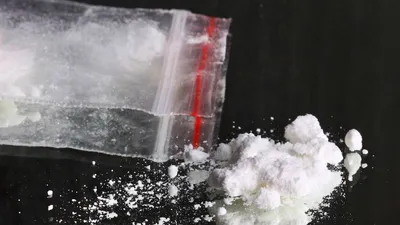
Cocaine held in Suva's High Court was replaced with flour. ( Supplied: Pixabay )
More than $10 million worth of cocaine stored at a Fiji court as evidence in a long-running drug trafficking trial has been replaced with flour, in yet another apparent example of internal corruption that has plagued Fiji's authorities.
The ABC has confirmed 32 kilograms of cocaine stored at the Suva High Court for the long-running trial of Fiji-Canadian national Joshua Aziz Rahman had been replaced and is now effectively missing, with police now investigating the incident.
Earlier this month, local media organisation Fiji Village reported that 7kg of cocaine involved in the trial was missing, and reported on Tuesday afternoon that the rest of the cocaine had been replaced with flour.
It means 39kg of cocaine from the trial is now unaccounted-for.
Depending on the purity of the cocaine involved, its street value could be worth as much as $15 million.
Fiji Police put out a public statement on Tuesday afternoon confirming "forensic tests" of the drugs had come back negative.
"The exhibits were all tampered with, and the investigation is focused on those directly charged with the management of the exhibits at the High Court Registry," the statement said.
"A person of interest allegedly involved in the incident is currently overseas and will be questioned".
Fiji has become ground zero in the Pacific's struggle with transnational drug trafficking, with an ABC investigation earlier this year uncovering Australian connections in the transportation of drugs through the country.
The latest incident comes after Fiji's prime minister, Sitiveni Rabuka, last year disbanded the country's narcotics bureau in the wake of 27 officers being taken to court for drug-related offences in the previous three years.
It is unclear who was responsible for the management of the missing cocaine; however, the country's Office of the Director of Public Prosecutions has indicated the "storing and securing of drugs" was a police matter.
Fiji Police Assistant Commissioner Mesake Waqa told the ABC earlier this year that the force was "not a corrupt institution".
"Corruption is something that has challenged us for quite some time," he told ABC's Foreign Correspondent program.
"We have officers who have crossed the line, and we have been transparent about it; on every case that is reported to us, we will investigate it."